Robotic total hip replacement is a hip replacement done with robotic-assisted te...See More
Apr 05, 2026
Precision surgeries restoring joint function and improving patient outcomes

Expert care for ligament injuries, meniscus tears, and shoulder instability
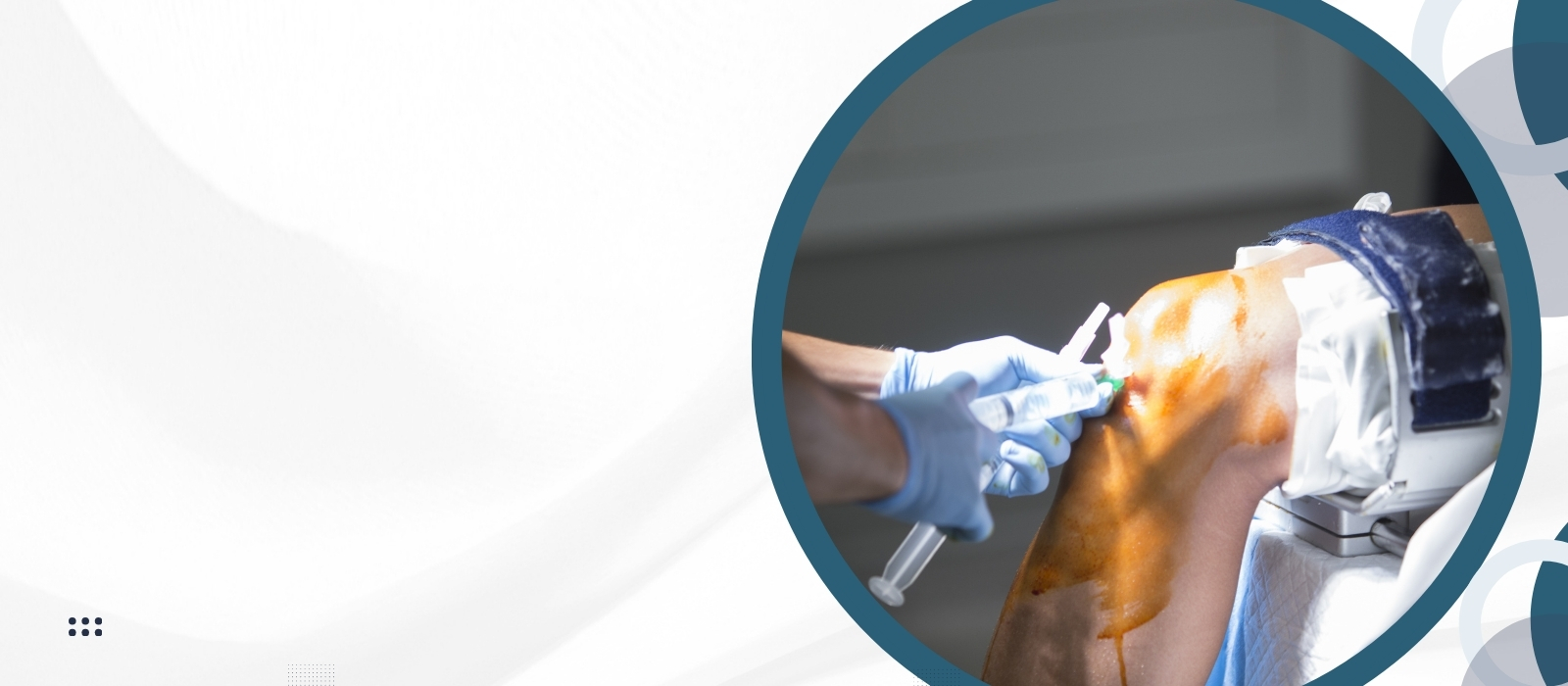
Timely interventions to restore mobility after serious bone injuries
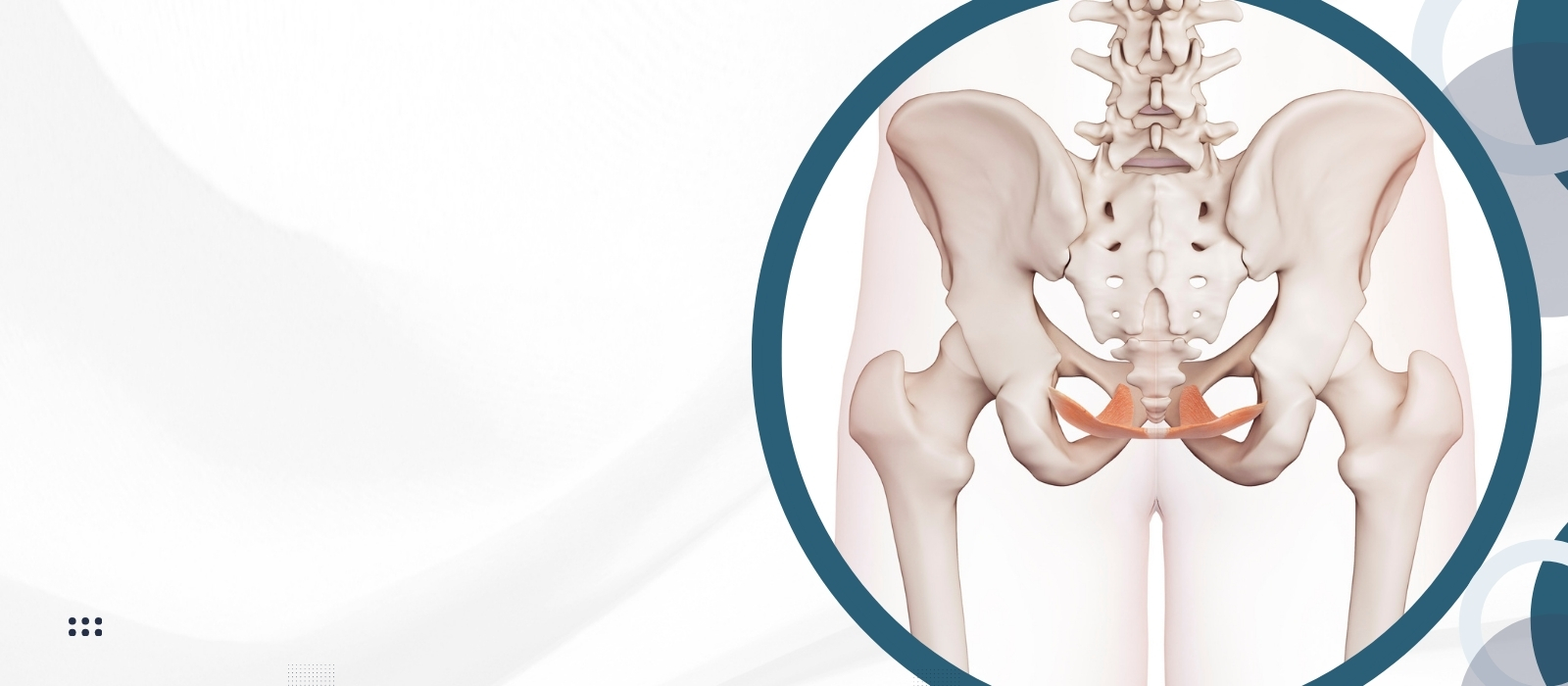
Innovative methods to maintain natural joint function longer
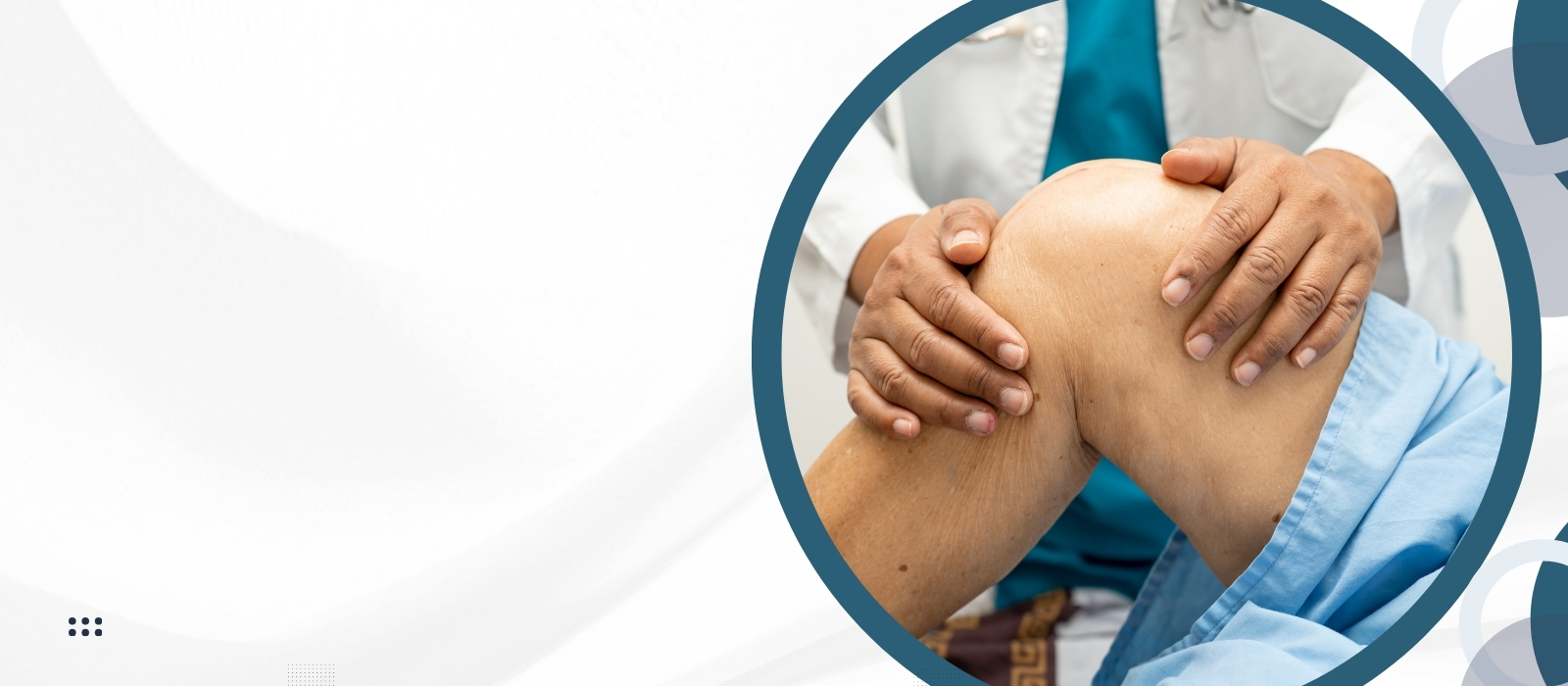
Comprehensive care for children and adults with musculoskeletal conditions

.jpg)
.jpg)
.jpg)
.jpg)
.jpg)
About Us
Dr. C. R. Suresh Babu is a highly respected Senior Consultant in Orthopaedic Surgery, leading the Department of Orthopaedics at Citizens Specialty Hospital, Hyderabad, and practicing at Vibha Ortho Neuro Care, Kondapur. With over 18 years of clinical experience, he is renowned for his expertise in advanced arthroscopy, sports medicine, joint replacement surgery, and complex revision procedures.
Dr. Suresh specializes in managing ligament injuries, meniscus tears, shoulder instability, and other sports-related conditions, while also excelling in joint preservation techniques to prolong natural joint function and delay replacement surgeries. His surgical proficiency extends to complex areas such as pelvi-acetabular trauma and pediatric orthopaedic conditions, offering comprehensive care across age groups.
At Vibha Ortho Neuro Care, he combines evidence-based, patient-centered approaches with state-of-the-art technology to ensure optimal functional recovery and improved quality of life. Beyond clinical practice, Dr. Suresh is committed to academic excellence, training young orthopaedic surgeons, and contributing as faculty at national and regional conferences.
Known for his precision, compassion, and innovative approach, he provides holistic musculoskeletal solutions, integrating advanced surgical care with personalized rehabilitation guidance. His practice embodies a dedication to restoring mobility, enhancing patient outcomes, and fostering long-term joint health.
Years of Experience
Joint Replacement Surgeries Done
Robotic Joint Replacements Done
Happy Patients


Comprehensive Surgical and Non-Surgical Musculoskeletal Treatments
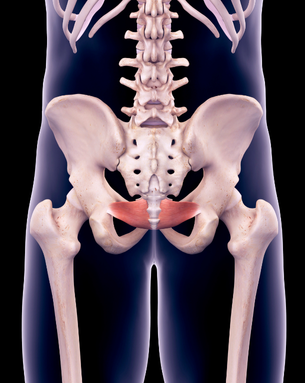
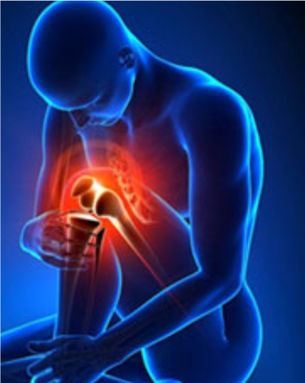
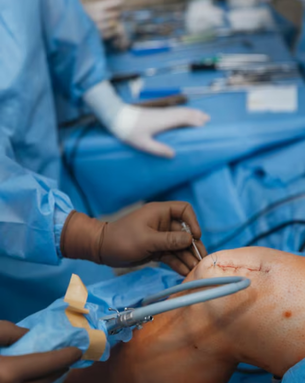
Stay informed with our latest updates, posts, announcements, and healthcare news
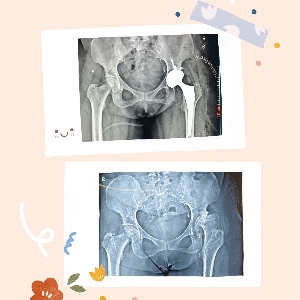
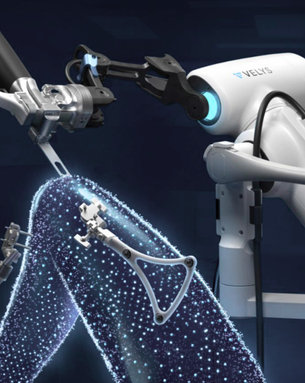
Robotic total hip replacement is a hip replacement done with robotic-assisted te...See More
Apr 05, 2026
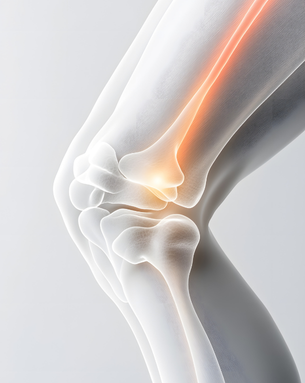
To maintain healthy bones and joints, ensure a diet rich in calcium and vitamin ...See More
Mar 19, 2026
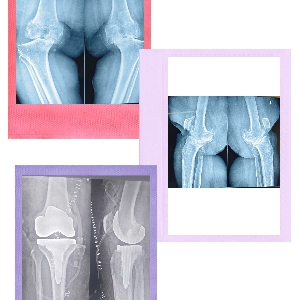
Robotic knee replacement is a surgical procedure that uses robotic technology to...See More
Feb 25, 2026
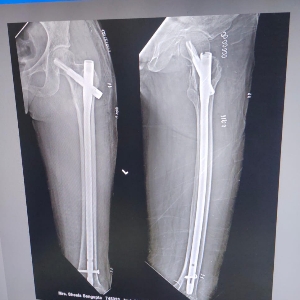
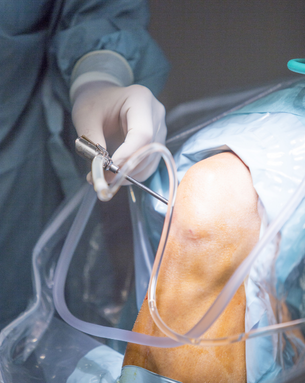
Surgical procedure for femur fixation using metal plates and screws to stabilize...See More
Jan 08, 2026
Orthopaedic
.png)
What our Patients says about us
I had ligament injury while practicing martial Arts last year (Oct 2024) that resulted into 100% ACL tear. I consulted Dr. Suresh Babu and he gave very good clarity on possibile options on return to sports. I got operated in 2 weeks since injury and started walking same day with support. Within a week I could walk without support but only leg braces. He suggested Recovery exercises that helped me recover in phases. I could start jogging in 3 months and returned to active sports few more months later. I also returned to takewondo and steadily returned to normalcy. During this whole period there were many doubts on recovery process, exercises, phase wise resumption of sports. In all these situations Doctor helped. His friendly nature helps and makes him more approachable. These qualities along with load of expertise he has is the one thing any patient would look for. Extremely happy with all support and care provided by Dr Suresh Babu. I'm back to my favourite sports including Cricket, Taekwondo and running.

"Dr. Suresh Babu sir MS Ortho is a fantastic surgeon . His expertise in orthopedics is exceptional . Got excellent care and treatment . He explained my condition clearly and the surgery was a success! Highly recommend for orthopedic issues! His team is also very supportive . The hospital facilities were top-notch . Follow-up care was amazing too. Appointment scheduling was easy . Billing process was transparent . Nursing staff was super caring . Room cleanliness was maintained perfectly
Dr. Suresh Babu sir MS Ortho is a fantastic surgeon . His expertise in orthopedics is exceptional. Got excellent care and treatment . Highly recommend for orthopedic issues! Thank you, Dr. Suresh Babu sir!"
Vibha Ortho Neuro Care having best treatment facility. Doctor's are very experienced. Special attraction receptionist Mythili she is helping patinet's with Good smile. Highly Recommend
Dr. Suresh Babu is a highly knowledgeable, kind, and compassionate orthopedic consultant. He addresses issues with precision, explains them clearly, and patiently answers all doubts. His detailed guidance on future consequences and recovery steps is truly commendable. Vibha Ortho is a one-stop solution for all kinds of pain. Highly recommended!
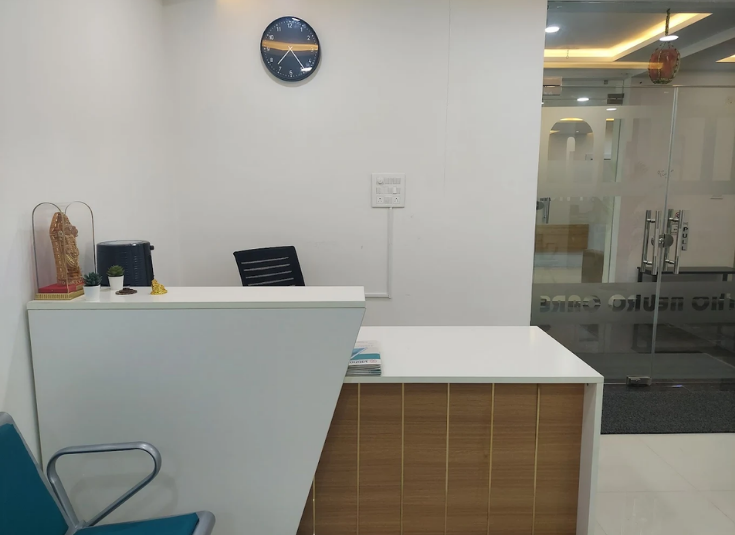
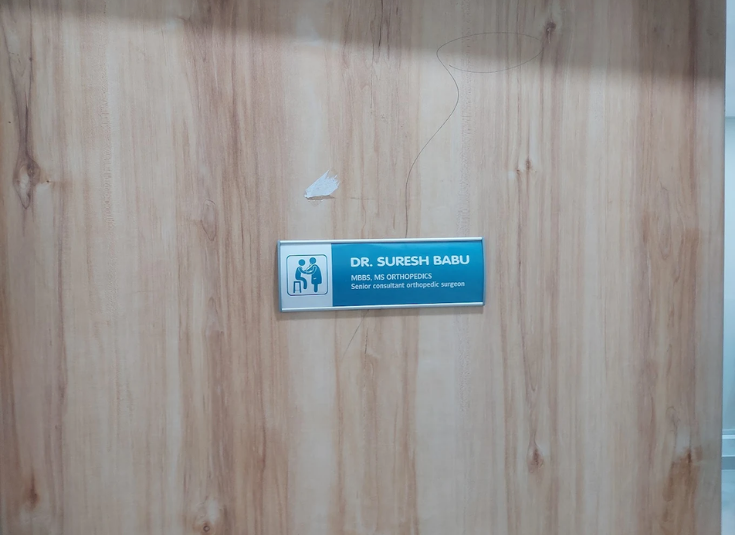
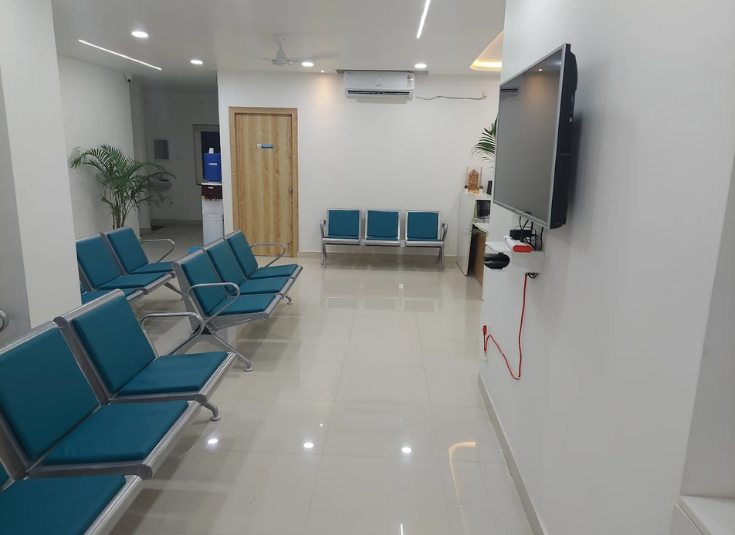
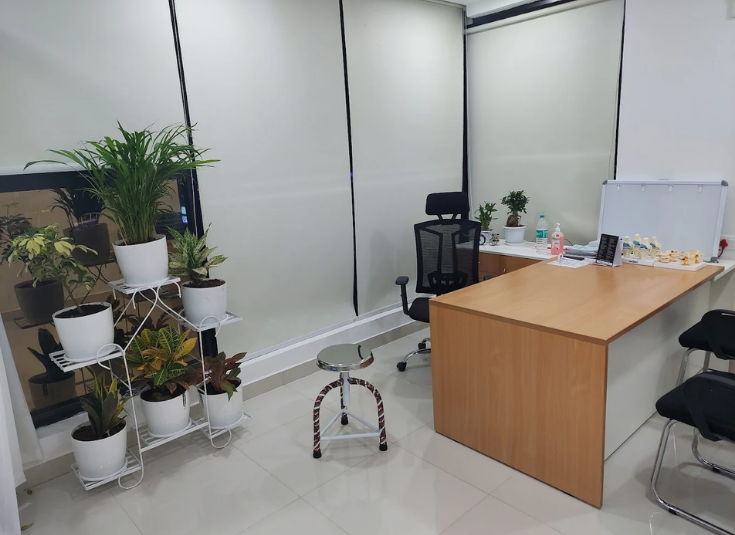
Need Answers? Find them here...
Dr. C. R. Suresh Babu is renowned for his precision in arthroscopy and sports medicine. With over 17 years of experience, he actively teaches and mentors in these fields, and is a regular faculty member at major orthopaedic conferences. His dedication to advancing surgical techniques has made significant contributions to patient care. Additionally, Dr. Suresh is a member of the Indian Arthroscopy Society, committing to a patient-centric approach for optimal outcomes.
Dr. C. R. Suresh Babu is a highly respected Senior Consultant Orthopaedic Surgeon with over 17 years of clinical and academic experience. He completed his MBBS and MS in Orthopaedics from KMC Kurnool. Dr. Suresh has worked with renowned hospitals like KIMS Hospital, Continental Hospital, and Mediciti Institute of Medical Sciences, and is currently the Head of the Department of Orthopaedics at Citizens Specialty Hospital, Hyderabad. His expertise includes primary and revision joint replacement surgeries.
Complex trauma surgeries in orthopedics pose numerous challenges due to the severity and multiplicity of injuries, requiring meticulous planning and execution. Surgeons must address bone alignment and stabilization while considering associated soft tissue injuries. High risk of complications like infection, non-union, or malunion add to the complexity, alongside managing potential long-term effects on joint function. Multidisciplinary care and advanced surgical techniques are crucial for achieving optimal recovery and rehabilitation for affected patients.
Pelvic acetabulum trauma is diagnosed through a combination of physical examination, imaging studies like X-rays or CT scans, and assessment of the patient’s clinical history. Treatment ranges from conservative management with rest and physical therapy for minor injuries to surgical intervention for severe fractures. Surgical options include internal fixation with plates and screws to restore normal anatomy and function. The approach depends on the injury's complexity and the patient’s overall health concerns.
Joint preservation surgery includes various procedures aimed at maintaining joint health and function. Common procedures are cartilage restoration, such as microfracture or autologous chondrocyte implantation, osteotomies to realign and redistribute stress on the joint, and ligament reconstructions. These techniques help relieve pain, improve function, and delay more invasive interventions like joint replacement. Joint preservation is especially valuable for younger or more active patients seeking to extend their natural joint lifespan.
An arthroscopy surgeon plays a crucial role in diagnosing and treating sports-related injuries using minimally invasive techniques. They utilize arthroscopy to repair or reconstruct damaged ligaments, tendons, or cartilage within the joint. This approach allows for quicker recovery and less tissue damage, enabling athletes to return to their activities promptly. Arthroscopy is particularly beneficial for managing injuries like ACL tears, rotator cuff injuries, and meniscus tears in athletes.
Candidates for revision joint replacement surgery typically include individuals experiencing complications from a previous joint replacement, such as implant loosening, infection, or dislocation. Patients with significant pain, reduced function, or wear-related issues with the prosthetic joint may also require revision. An in-depth evaluation by an orthopedic surgeon is necessary to determine the need for revision surgery and to develop a personalized treatment plan based on the patient's specific condition and health status.
Robotic joint replacement surgery offers several benefits, including enhanced precision in implant positioning, which can lead to improved joint alignment and function. The technology provides surgeons with better control and visualization, allowing for more accurate cuts and placements. Patients may experience shorter recovery times, less postoperative pain, and potentially longer-lasting implants due to the increased accuracy of the procedure, all contributing to positive long-term outcomes.
Joint preservation surgery focuses on maintaining or restoring the natural joint by addressing the underlying issues causing pain or dysfunction. Techniques may include cartilage repair, realignment procedures, or osteotomies. In contrast, joint replacement involves removing and replacing the damaged joint surfaces with artificial components. Joint preservation aims to delay or prevent the need for joint replacement, especially in younger patients, preserving natural joint function for as long as possible.
Complex trauma involves severe injuries, often affecting multiple bones and soft tissues, requiring comprehensive management. Orthopedic surgeons handle these cases with a team approach, using advanced surgical techniques to stabilize and reconstruct bones and joints. Complex trauma management may also involve treating accompanying soft tissue injuries, monitoring for complications, and providing rehabilitation support to ensure optimal recovery and functionality for the patient.
Pelvic acetabulum trauma involves fractures in the pelvic girdle and acetabulum. Treatment often requires a multidisciplinary approach and may include non-surgical options like physical therapy or surgical interventions to realign and stabilize the bones. Surgical fixation, using plates and screws, may be necessary for complex fractures. Each case is unique, and an orthopedic surgeon determines the best treatment plan based on the fracture's severity and patient's overall health.
Arthroscopy is a minimally invasive surgical technique used to diagnose and treat joint conditions common in sports medicine. It involves inserting a small camera, called an arthroscope, into the joint through a small incision. This allows for direct visualization and treatment of injuries such as torn ligaments, cartilage damage, or meniscus tears. Arthroscopy typically results in shorter recovery times and less postoperative pain, enabling athletes to return to sports activities more quickly.
Primary joint replacement refers to the initial surgical procedure to replace a damaged joint, typically due to arthritis or injury. Revision joint replacement occurs when a previously implanted joint needs further surgery to correct or replace the artificial joint due to wear, loosening, infection, or other complications. Revision surgeries are generally more complex and require specialized techniques and expertise to achieve successful outcomes.
Robotic joint replacement involves using advanced robotic systems to assist surgeons during joint replacement procedures. This technology provides more precise and accurate surgical instrumentation, resulting in potentially better alignment and positioning of implants. Unlike traditional surgery, robotic-assisted procedures offer improved surgical planning and execution, which may lead to faster recovery and optimized outcomes for patients undergoing joint replacement surgeries.
 Address :1-100/1, Citizens Hospital Rd, Nallagandla, Hyderabad 500019, Telangana Address :3rd Floor, Raja rajeswari nagar, JPL Vajra Legend, Kondapur, Raja Rajeshwara Nagar, Hyderabad 500084, Telangana